


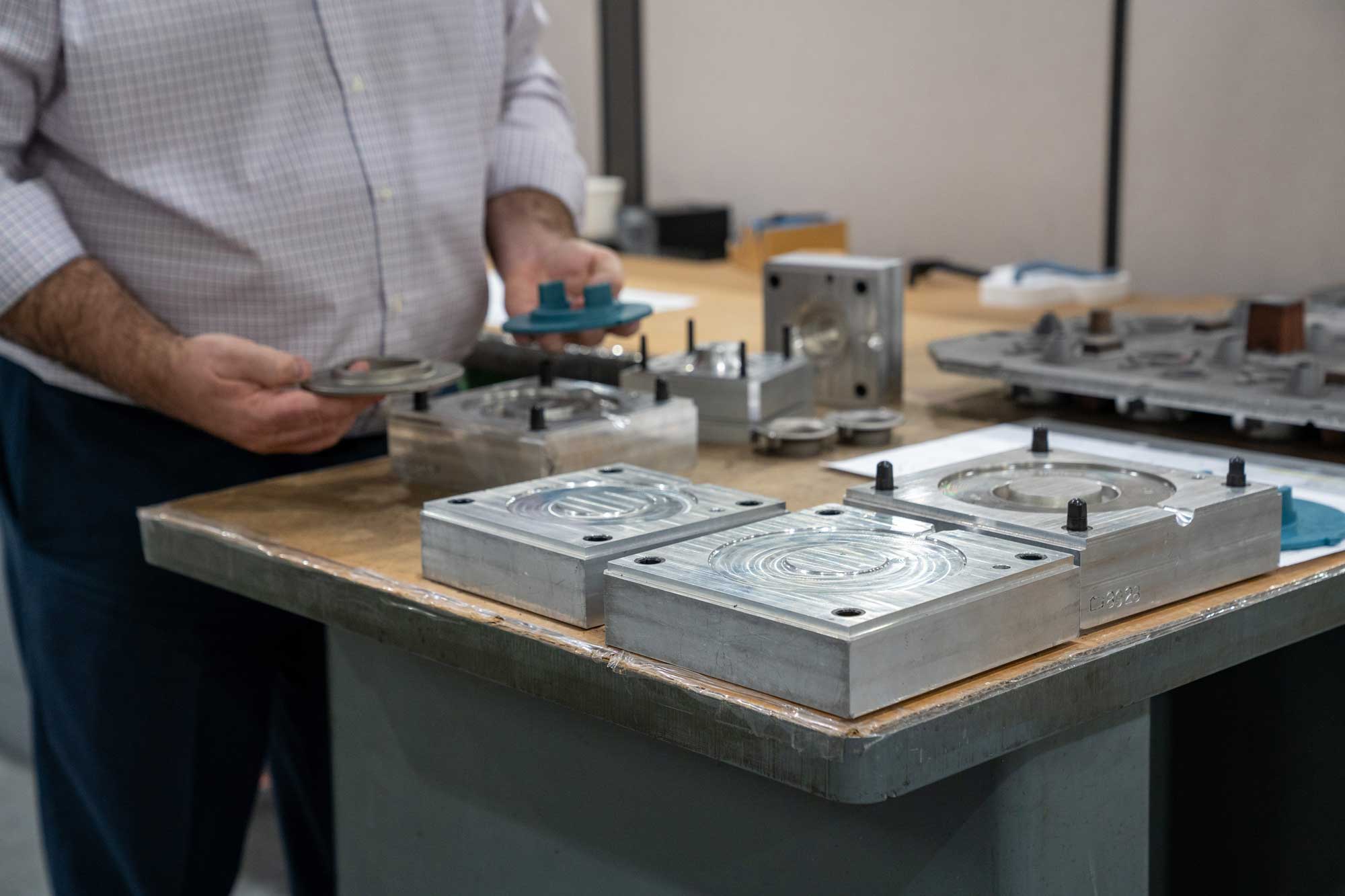
Validating a cast part before investing in traditional foundry tooling gives engineering an opportunity to evaluate the component while design changes are still easier to make. A physical casting can help confirm fit, function, manufacturability, and application requirements before a program moves toward permanent tooling and larger-scale production.
For qualifying applications, producing functional cast parts before that commitment can reduce uncertainty and provide additional information that digital analysis alone may not reveal.
Permanent tooling may be appropriate when a design is stable, and production demand justifies the investment. When geometry, application performance, or production requirements are still being evaluated, committing to tooling too early can make later revisions more expensive and time-consuming.
Producing cast parts before that commitment allows teams to evaluate the component in its intended material and determine whether additional design or manufacturing changes are needed before moving toward production.
The objective is not to replace digital development. It is to add physical validation at a point when the findings can still influence the design and production plan.
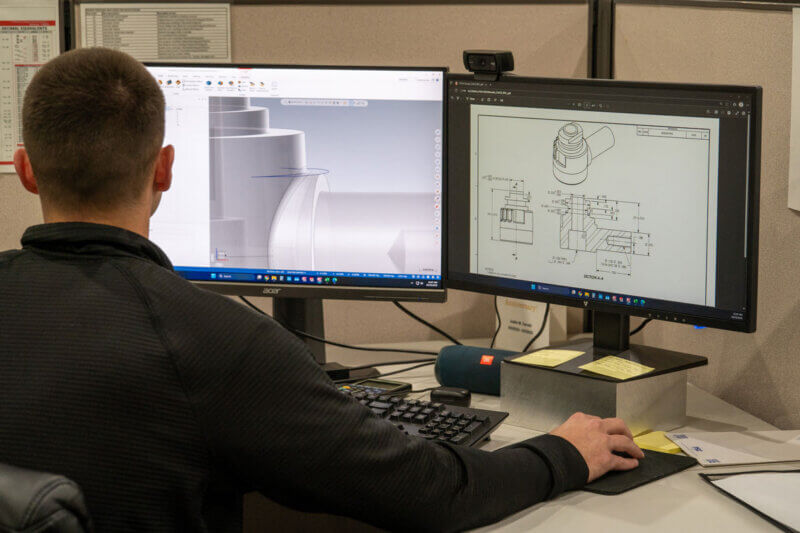 CAD models, simulation, and other digital tools provide important information during development, but they cannot fully reproduce what happens when a physical cast part is installed, handled, assembled, machined, inspected, and used in its intended application.
Having an actual casting in hand gives engineers an opportunity to evaluate details that may be difficult to assess through digital analysis alone.
Engineers can install the part into an existing assembly to confirm mounting alignment, mating surfaces, clearances, and accessibility for fasteners or tools. A component that appears to fit correctly in CAD may reveal an interference issue, an inefficient assembly sequence, or insufficient clearance when surrounding components and real-world dimensional variation are introduced.
Physical parts can also provide a more representative basis for functional testing. Depending on the component and application requirements, testing may evaluate how the part responds to expected loads, vibration, temperature, pressure, machining, assembly, or other operating conditions.
This stage can also give manufacturing and quality teams an opportunity to evaluate machining and inspection requirements before a program moves into larger-scale production.
The specific validation plan depends on the component and its application, but the principle remains the same: digital analysis helps engineers predict performance, while physical parts provide an opportunity to test those assumptions against the finished application.
For qualifying applications, Bearon’s Rapid Modular Casting (RMC) process provides a way to produce functional cast parts without first investing in traditional foundry tooling.
The process begins with digital part and mold models and uses casting simulation to support mold development. Bonded sand molds are then produced for casting, allowing engineering teams to evaluate physical components while retaining flexibility to make design changes before committing to permanent tooling.
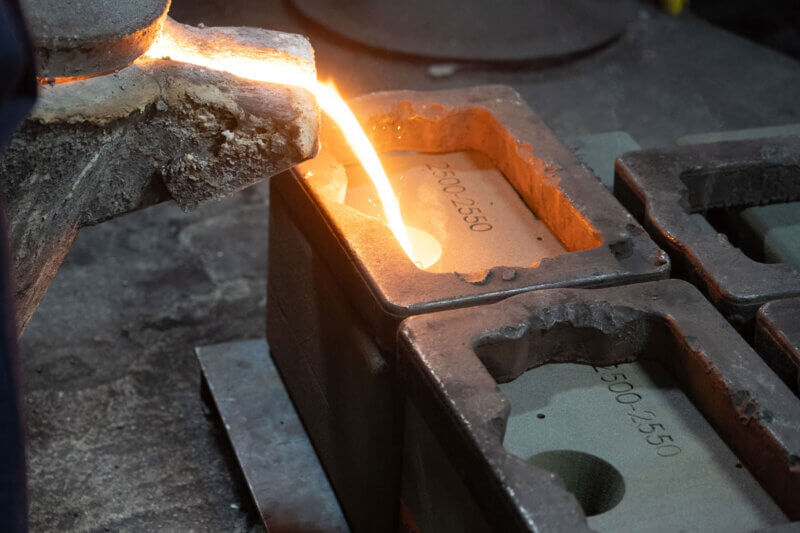 Bearon identifies RMC applications that include testing new designs, short-run castings, weldment and forging conversions, and certain legacy or end-of-life components.
RMC fit depends on factors including part dimensions, material, geometry, complexity, weight, quantity, and production requirements. It is one possible path for design validation and short-run production, not a replacement for traditional tooling in every program.
A qualification process should establish whether the component and proposed manufacturing route can support the finished application before a larger tooling commitment is made.
Depending on the part and program requirements, evaluation may include:
The exact testing and inspection plan should reflect the component, industry, customer requirements, and intended application. The goal is to identify meaningful design or manufacturing issues while changes can still be incorporated into the production plan.
Validation is only one stage of a manufacturing program. Moving a component into ongoing production can require casting sourcing, machining, inspection, finishing, assembly, inventory management, and coordination across multiple suppliers.
Bearon provides vertical supply chain management by bringing trusted foundry relationships, precision machining, and value-added services together through one manufacturing partner. Depending on the program, that support can include casting and foundry sourcing, precision machining, assembly, kitting, packaging, inventory programs, and broader supply chain management.
This approach can reduce supplier complexity by coordinating sourcing, production, and delivery through a single manufacturing partner while maintaining continuity as the component moves from validation to ongoing production.
The appropriate path will depend on the component and program. Some applications may continue with Rapid Modular Casting, while others may transition to traditionally tooled casting and larger-scale production. Bearon can help evaluate the component requirements and determine the appropriate level of manufacturing and supply chain support as the program develops.
Explore Bearon’s manufacturing capabilities or discuss your manufacturing needs with the Bearon team.
